
Truck Wash University · Business
Business School
The Business School covers the money and management side of a commercial truck wash: what it costs to build, whether it pencils, where to build, how to finance and permit it, and how to operate it profitably. Start with the how-to-build guide, then follow the clusters on cost, feasibility, financing, permits, and operations.
A truck wash is a real estate and equipment business first and a wash business second. The returns come from choosing the right site, sizing the build to the traffic it can capture, financing it on terms the cash flow can carry, and running it with disciplined labor and chemical costs. The pages in this division walk through each of those decisions in the order a developer actually faces them, from the first site question to the day the bays open.
Start here: how to build a profitable truck wash
The flagship guide is the spine of this division. It lays out the full path from raw site to open bays, and each stage links to a deeper cluster page. Read the guide end to end for the whole picture, or jump straight to the decision you are working on right now.
- How to build a truck wash: the guide
- Cost to build
- Profitability and payback
- Site selection
- Feasibility study
- Financing
- Permits and compliance
- Operating models
- Build timeline
Markets
Demand for truck wash capacity is regional. Freight corridors, terminal density, fleet maintenance policies, and local competition all shift what a site can support and what it can charge. The Markets section collects that regional demand context so you can read your area before you commit to a location. See Markets for the states and corridors covered.
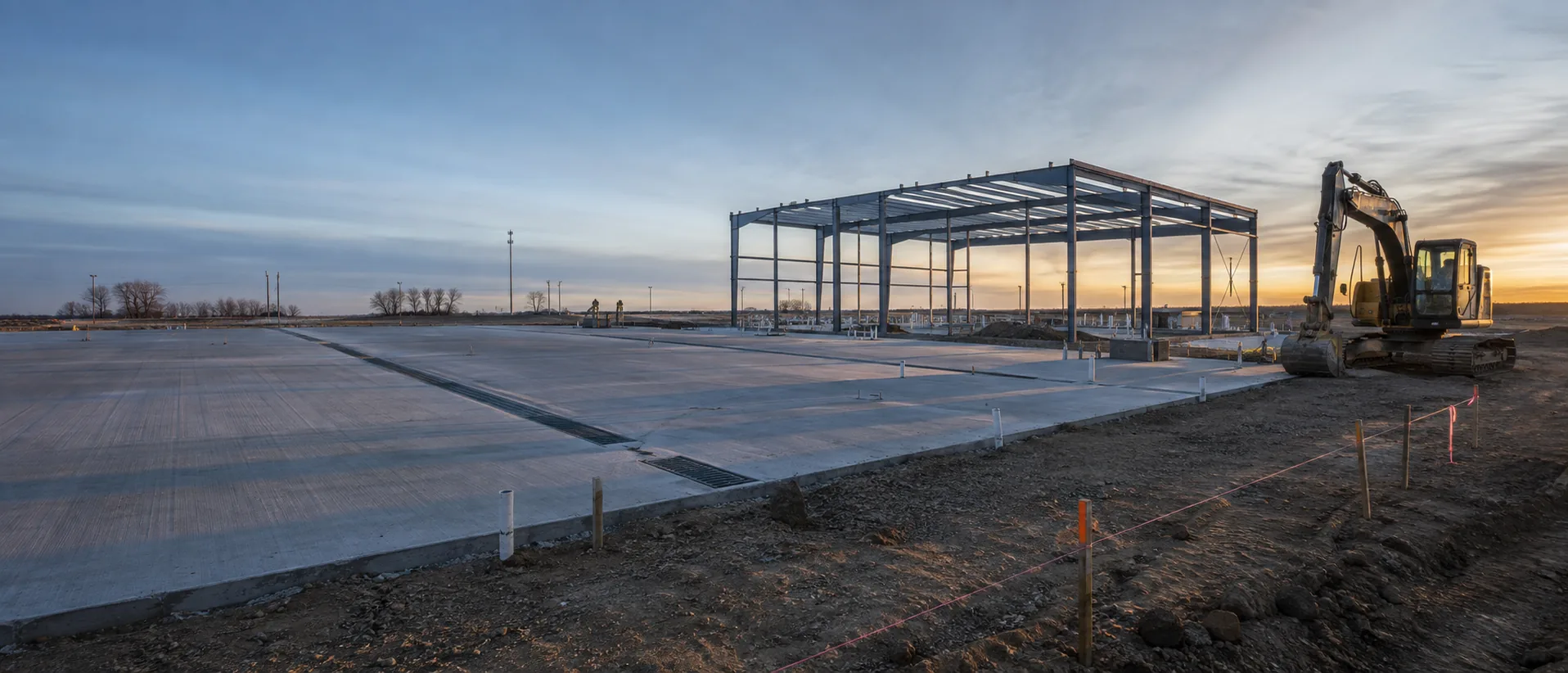
Case-based development studies
Development decisions become clearer when the assumptions are worked through as cases instead of discussed only in the abstract. Unless source-backed project information and publication permission are available, these should be labeled as illustrative scenarios rather than presented as actual TWU projects.
- A good site versus a bad site using access, visibility, traffic, drainage, utilities, and parcel constraints
- Manual versus automatic configurations and one bay versus multiple bays
- Retail, fleet-contract, and mixed-volume operating models
- Throughput under different staffing, cycle-time, and vehicle-mix assumptions
- Water and sewer capacity limits that force design changes
- Capital-cost overruns, equipment downtime, and operating responses
- Sensitivity to wash count, average ticket, labor cost, and chemical cost
- Debt-service coverage, development failure, and recovery strategies
How this connects to the curriculum
The Business School gives you the operator working version of this material. The University division teaches the same ground as structured curriculum: College I: Feasibility and Development covers siting and the go or no-go decision, and College IV: Operations Management covers running the wash once it is open. New to the vocabulary? The glossary defines the terms used across both.
Status: This is general educational and business information, not investment, legal, tax, or financial advice. Figures referenced are general industry ranges; a specific project needs its own feasibility study.
Frequently asked questions
Is a truck wash a good business?
It can be, on the right site and with disciplined cost control. Returns hinge on traffic volume, pricing, and keeping labor and chemical costs in line. Work through the profitability and payback page to see what drives the numbers.
How much does it cost to start?
It varies widely by wash type, land, and site work, so general industry ranges only go so far. The cost to build page breaks down the major line items, and the financing page covers how developers fund them.
Do you need a feasibility study?
For any project you plan to finance, yes. A feasibility study tests demand, site, and financials before you commit capital, and most lenders expect one. The feasibility study page explains what one includes and when to run it.
How do you make a truck wash profitable?
Profit comes from volume, pricing, and cost control, set up by the right site and the right operating model. Start with operating models and site selection, then pressure-test the plan on the profitability and payback page.