Truck Wash University · Investing
Investor Academy
The Investor Academy is for people evaluating a commercial truck wash as an investment: how to read a feasibility study, judge a site and market, understand returns and risk, and structure a deal, whether as an owner-operator, a passive partner, or a lender. This is educational information, not investment advice.

People come to a commercial truck wash from two directions. Some want to run one, and some want to put capital into one and let an operator run it. The Investor Academy is written for the second group, and for anyone weighing whether the numbers behind a wash hold up before they commit. The pages below walk through how to judge a project on its merits, using the same feasibility and operating detail an owner would study.
What makes a truck wash a viable investment
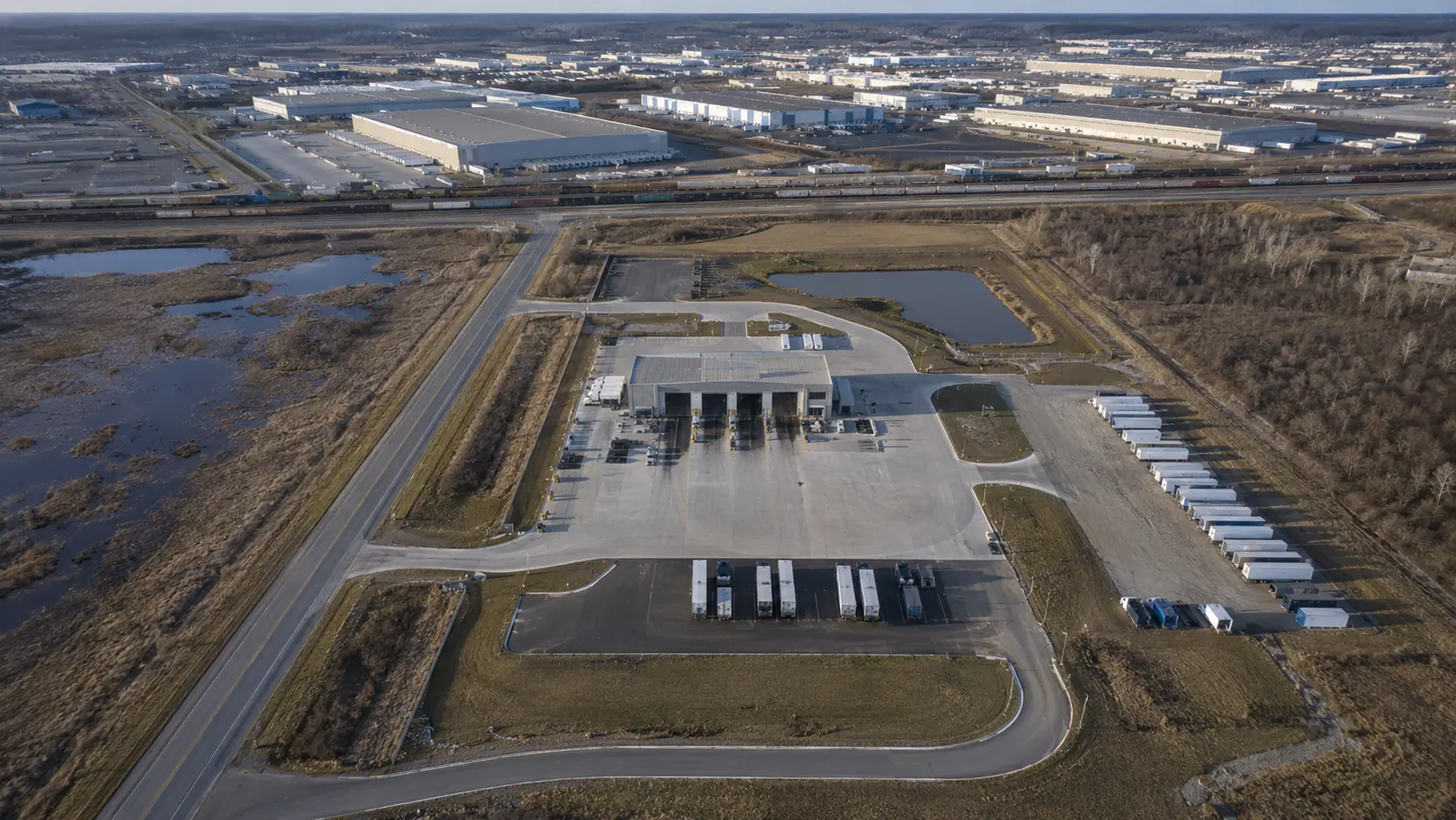
A truck wash earns its keep from steady, repeat volume, not from a single large sale. The strongest projects sit where trucks already are: freight corridors, fuel and rest stops, distribution clusters, and ports. Two demand sources matter. Independent drivers and small fleets pay per wash, and larger fleets sign recurring accounts that smooth revenue across the month. A viable site combines traffic, access for large vehicles, and a local market that is not already saturated.
- Corridor and traffic: proximity to interstates, freight routes, ports, and fuel or rest stops
- Site fit: room for truck turning radius, queuing, entry and exit, water supply, and drainage
- Demand mix: a base of pay-per-wash drivers plus recurring fleet accounts that add predictability
- Competition: how many existing washes serve the same trucks, and how well they run
Reading a feasibility study and pro forma
A feasibility study is the document that turns a location into a defensible set of numbers. Read it for its assumptions, not its conclusions. Check where the traffic and capture-rate estimates come from, whether pricing reflects the local market, and how labor, chemistry, water, and maintenance costs were built up. Run the model down, not just at the base case: ask what happens to cash flow if volume comes in twenty percent light or if a competitor opens nearby.
- Assumptions: traffic counts, capture rate, average ticket, and how each figure was sourced
- Cost build-up: labor, chemistry, water and utilities, maintenance, and reserves
- Sensitivity: how returns move when volume, pricing, or costs shift against you
- Red flags: round-number guesses, missing competition, no ramp-up period, or costs that look too low
Returns, payback, and margin
The economics of a wash come down to volume times price, less operating cost, measured against what it took to build. Investors usually look at three things: the operating margin the facility can hold at a realistic volume, the payback period on the capital invested, and the return once the site reaches a steady state. None of these is fixed. They depend on the site, the local market, how the wash is run, and how it is financed, which is why a project-specific model matters more than any industry average.
- Margin: revenue after labor, chemistry, water, utilities, and maintenance
- Payback: how long steady cash flow takes to return the invested capital
- Return at stabilization: what the project yields once volume settles, not on day one
- What moves them: utilization, pricing power, cost control, and the financing structure
Capital and deal structures
How a deal is put together shapes both the risk you take and the return you can expect. A wash can be funded with owner equity, outside equity partners, debt, or a blend. Passive investors often come in through a joint venture or a preferred return that pays them first up to a set rate before the operator shares in the upside. Lenders sit ahead of equity and carry less risk for a fixed return. The right structure depends on how much control and risk each party wants to hold.
- Equity: owner capital and outside partners who share both the risk and the upside
- Joint ventures: an operator and one or more investors combining capital and know-how
- Preferred returns: a set rate paid to passive capital before the operator participates
- Debt: financing that sits ahead of equity, lower risk and a fixed return, but adds fixed payments
Risk and due diligence
Every project carries risk, and diligence is how you price it before you commit. Market risk is whether the demand in the study is real and durable. Site risk covers access, utilities, permitting, and environmental conditions. Regulatory risk includes water discharge rules and local approvals. Execution risk is the operator: their track record, staffing, and cost discipline. Verify each with independent sources rather than taking the sponsor summary at face value.
- Market risk: traffic, competition, and whether fleet demand holds up over time
- Site and regulatory risk: access, utilities, permitting, water discharge, and environmental review
- Execution risk: the operator experience, staffing plan, and cost control
- Diligence: independent verification of the study, the site, and the numbers before closing
Frequently asked questions
Is a truck wash a good investment?
It can be, and it can also lose money. The answer depends entirely on the specific site, market, and operator. A well-placed wash with steady fleet demand and disciplined operations can perform well, while a poorly sited or poorly run one can struggle. There is no general yes or no. Judge each project on its own feasibility study and diligence.
What returns are typical for a truck wash?
Returns vary widely by site, utilization, pricing, cost control, and financing, so any single figure is misleading. Industry discussion often points to healthy operating margins for well-run, well-located washes, but real results range from strong to negative. Treat any published range as a rough reference only, and rely on a project-specific model rather than an average. This is educational information, not a projection.
How do I evaluate a specific deal?
Start with the feasibility study and pressure-test its assumptions, then verify the site, the market, the operating budget, and the operator track record independently. Model the downside, not just the base case, and understand where you sit in the capital structure. Bring in qualified financial, legal, and tax advisors before committing.
What is the difference between active and passive involvement?
An owner-operator runs the wash and takes on the day-to-day work and execution risk in exchange for the full upside. A passive investor supplies capital and relies on an operator, often through an equity partnership or a preferred return, and accepts less control. A lender provides debt at a fixed return and sits ahead of equity in risk.
Status: This is general educational information, not investment, financial, tax, or legal advice, and not an offer of any security or investment. Every project carries risk; consult qualified professionals and rely on a project-specific feasibility study.